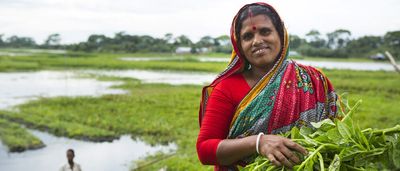
Half of the world’s population today lives in places that are highly at risk to the impacts of climate change. The people most affected are often the least equipped to recover from disasters and adapt to changing conditions.
Smallholder farmers grow most of the food in South Asia and Africa. They are among the most vulnerable to climate shocks like floods, cyclones, and droughts.
Factors like poverty, inequity, and limited access to basic services limit families’ ability to cope and adapt.
BRAC has worked on the frontlines of climate change for more than 50 years. We don’t just respond to crises; we help communities build the tools, knowledge, and resources to adapt before the next disaster hits.
Our approach is led by local communities, grounded in evidence, and designed to scale for a more resilient future.
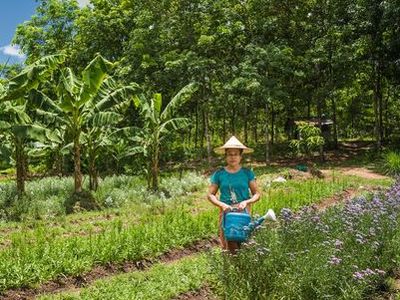
950,000
farmers reached across six countries with climate-adaptive training and support, 65% of whom are women
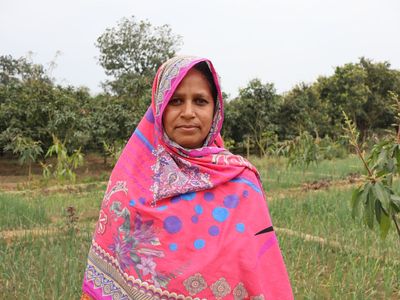
185,431
farmers in Bangladesh trained in climate-smart farming practices from 2019 to 2024
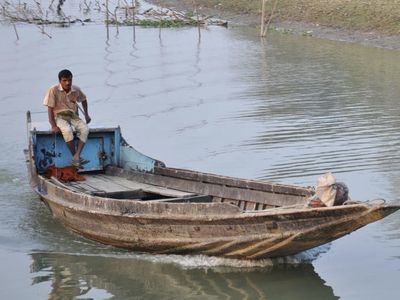
700,000
trees and mangroves planted to protect communities and restore ecosystems
CASE STUDY: BANGLADESH
Bangladesh is the world's seventh most climate-vulnerable country. In the hardest-hit regions, families spend up to half their income responding to disasters. These same areas are also among the country's poorest, caught in a cycle where each new disaster erases progress.
BRAC has worked with these communities for decades. As flooding and drought threaten clean water supplies, over 110,000 people now have rainwater harvesting systems. We offer farmers advice, information, supplies, and storage. We also scale initiatives to restore ecosystems by planting trees and mangroves.
Bangladesh is proving what’s possible when local knowledge meets community leadership. It is a model BRAC is replicating across the world.
How are people adapting to survive at the climate frontlines?
BRAC's Big Bet
The Big Bet is BRAC’s multi-country effort to empower 2 million women smallholder farmers to adapt to the changing climate. It combines financial services, training, and market access. Women are at the center because they grow most of the food and bear the greatest burden when harvests fail.
OUR APPROACH
Discover how we help communities adapt and thrive
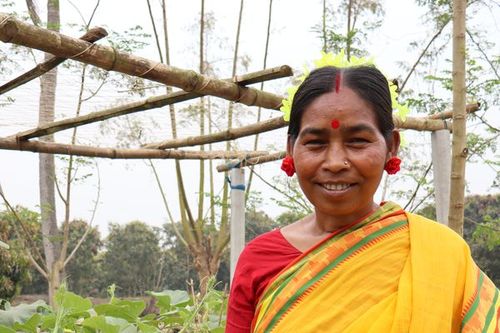
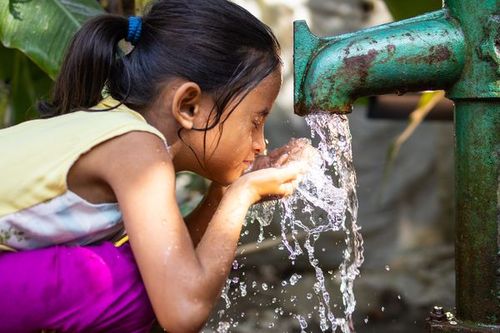
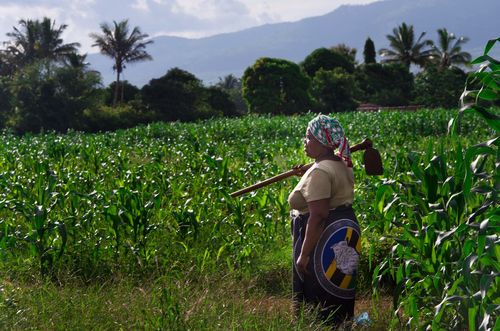
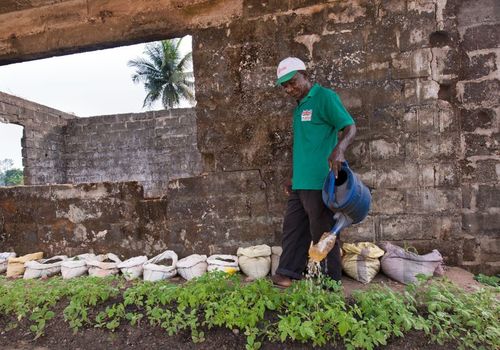
We must prioritize locally led solutions that can catalyze sustainable economic growth. Effective solutions emerge when communities themselves identify the challenges they are facing and co-create solutions for them.”
Asif Saleh
Executive Director, BRAC
STORIES
-
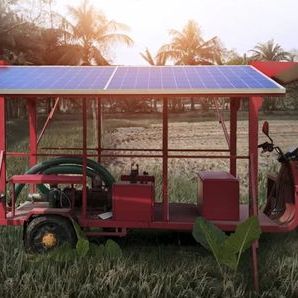
How a Tempu with wings is breaking the stranglehold of diesel in farming
A solar-powered van nicknamed 'Ponkhiraj' is helping coastal farmers in Bangladesh cut irrigation costs by 70% and move beyond diesel dependence.
The economic relief for the coastal farmers was immediate and life-changing. -The Business Standard
-
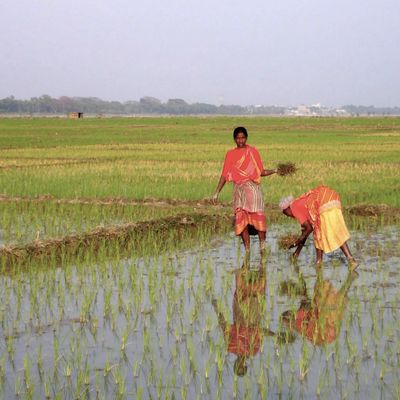
Five years to recover: how one flood wiped out a season's worth of work in Bangladesh
When floodwaters submerged 121,000 acres of boro paddy across Bangladesh's haor region, BRAC's crop insurance program was already helping farmers prepare for the next disaster.
Through BRAC's crop insurance program, 91,000 farmers now have access to a meaningful safety net: with flexible repayment schedules and coverage that can protect a small plot or an entire farm. -BRAC Bangladesh
-
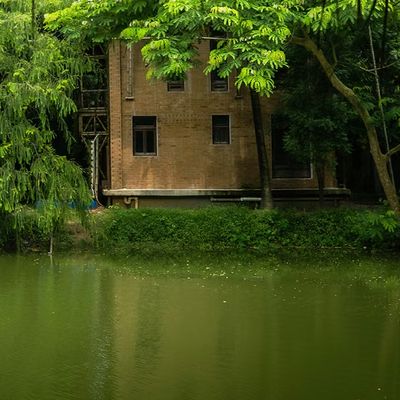
A house that can grow, float, and stays cool all year
Discover a climate-smart house that is changing the tide in Bangladesh, one of the world's most climate-vulnerable nations.
The amphibious house is disaster-resilient, with the ability to float during floods and remain on ground during dry periods, withstand cyclones, and contains the infrastructure – agriculture, water and power – that meets the basic needs of its residents during climate disasters. -Nafisa Islam
-
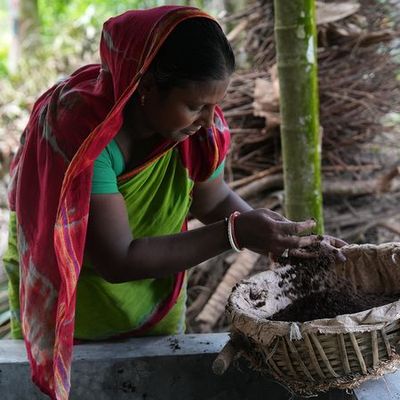
One handful at a time: how Archana rebuilt her land and livelihood
Saltwater intrusion was poisoning her farmland. Archana found a solution in earthworms—and turned it into a thriving business that's helping restore her soil and reduce emissions.
There were days when even an additional BDT 2,000 ($17) felt out of reach. My daughter would ask for a small thing—a book, or a new dress—and we had to tell her to wait, maybe next month. Now, from the income I earn, I can buy her those little things. Giving my children these small joys—that is my biggest win. -Archana Sardar
Latest news
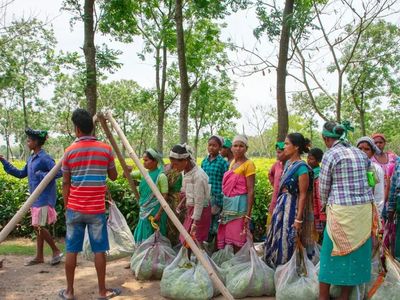
Green Matters: The people on the front lines of climate change may know the most about how to adapt

The Business Standard: how a Tempu with wings is breaking the stranglehold of diesel in farming

Devex: Asia's farmers feel the bite of higher fuel and fertilizer costs

Five years to recover: how one flood wiped out a season's worth of work in Bangladesh
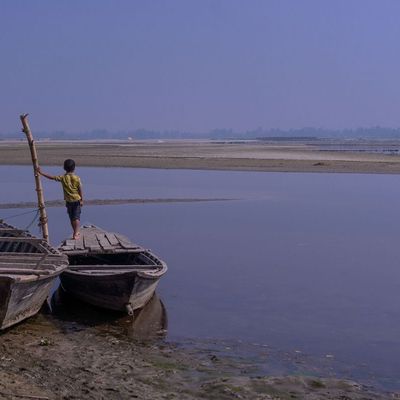
Stand with communities on the climate frontlines
Climate change isn't a future problem. It's here right now, causing flooded fields and failed harvests. It forces families to choose between food today and rebuilding for tomorrow.
You can put proven solutions into the hands of people most affected by climate change. Fund a farmer's training. Help a family access clean water. Invest in communities to build a more resilient future.
Power people to rise above poverty
Make a gift to unmake poverty and power potential.
Donation options
Your most generous donation
Your most generous donation